
Betting on total boundaries in innings
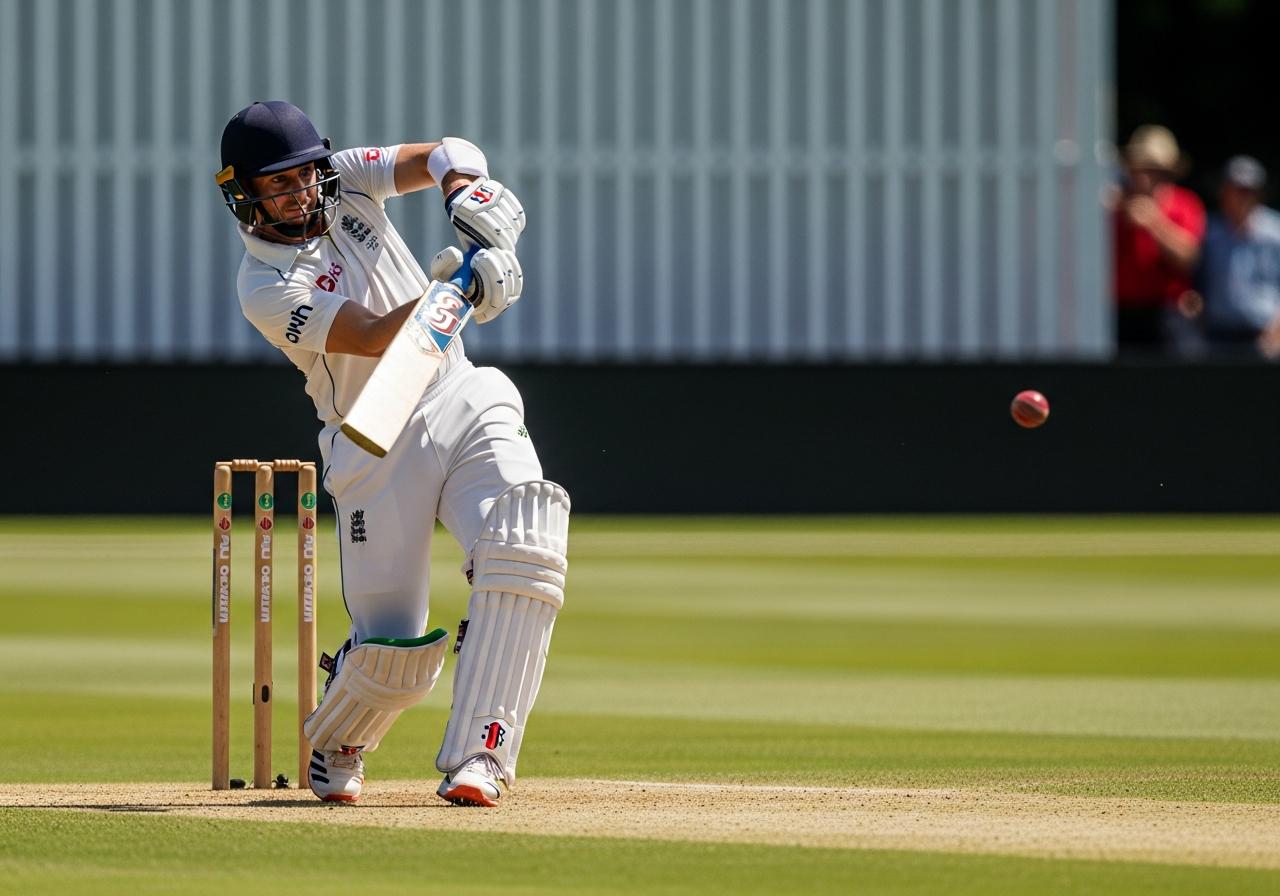
Betting on total boundaries in a cricket innings has emerged as one of the most exciting markets for Indian cricket enthusiasts. This market focuses purely on the combined number of fours and sixes scored during an innings, offering fast-paced action that perfectly complements India’s love for aggressive batting displays in formats like T20 and ODI cricket.
The popularity of boundary betting stems from its statistical nature and quick outcomes, especially during high-octane tournaments like the IPL or ICC World Cups where explosive batting is commonplace. This article provides educational information about how these markets function, the factors that influence boundary totals, and essential risk management considerations for anyone interested in understanding this betting format.
What Is Total Boundaries Betting in a Cricket Innings?
Total boundaries betting represents a specialized cricket market where punters wager on the combined count of fours and sixes hit during a specific innings. Unlike traditional match winner or runs total markets, boundary betting operates independently of the final match result, focusing solely on how many times the ball crosses the boundary rope.
The calculation is straightforward: if India’s first innings features 18 fours and 8 sixes, the total boundaries count equals 26. Sportsbooks offer various market types including team total boundaries (focusing on one team’s innings), player boundary props (individual batsman totals), and match boundary markets (combining both teams’ innings totals).
These markets differ significantly from run-based betting because they concentrate on shot-making aggression rather than overall scoring. A team might score 160 runs with 22 boundaries, while another reaches the same total with just 14 boundaries through more singles and doubles.
Types of Total Boundaries Markets You’ll See
Modern sportsbooks present boundary betting through several distinct market variations, each offering unique angles for analysis and wagering opportunities.
- Team Total Boundaries: Over/under lines for individual team innings, typically ranging from 15.5 to 35.5 boundaries depending on format
- Match Total Boundaries: Combined boundaries from both teams across the entire match
- Player Boundary Props: Individual batsman totals, often presented as yes/no markets (e.g., “Virat Kohli 4+ boundaries”)
- Over-by-Over Boundaries: Specific overs or phases like powerplay boundaries (overs 1-6) or death overs (16-20)
- Powerplay vs Death Overs: Separate totals for different innings phases
- Most Boundaries (Team): Which team will hit more boundaries regardless of match result
- Spread Betting: Higher-risk markets where payouts scale based on how far actual totals exceed or fall short of quoted lines
Fixed-odds markets typically offer straightforward yes/no or over/under propositions, while spread betting involves greater scaling of gains and losses. Spread markets can be particularly risky for newer bettors as losses multiply based on how wrong the prediction proves to be.
Boundaries vs Total Runs and Other Totals
Understanding the relationship between boundaries and total runs is crucial for boundary market analysis. In T20 cricket, boundaries typically account for 60-75% of total runs, making them the primary scoring method in aggressive formats like the IPL.
However, boundary betting carries unique volatility risks since boundary frequency depends heavily on batting style and approach rather than just scoring intent. A team might accumulate runs through quick singles and doubles without hitting many boundaries, while another team could hit numerous boundaries but struggle with strike rotation.
Weather conditions, pitch characteristics, and ground dimensions significantly impact boundary totals in ways that don’t always correlate with run totals. Smaller grounds with shorter boundaries might see inflated boundary counts even if run totals remain moderate due to wickets falling regularly.
How Total Boundaries Betting Works for Indian Users
Indian sportsbooks typically present boundary markets through familiar over/under formats, with lines adjusted based on match format, venue characteristics, and team batting strengths. Understanding how these markets operate helps bettors make informed decisions about potential value opportunities.
Most platforms quote boundary totals using half-numbers (like 24.5 or 18.5) to eliminate push scenarios where the actual total exactly matches the line. Settlement occurs after the specified innings concludes, with all boundaries officially recorded by match officials counting toward the total.
Different sportsbooks may offer varying line prices and market depth, with IPL matches typically featuring the most comprehensive boundary betting options due to the tournament’s popularity among Indian audiences.
| Market Type | How It’s Quoted | Example Line | How Settlement Works |
|---|---|---|---|
| Team Total Boundaries | Over/Under with decimal lines | India Over 22.5 Boundaries @ 1.90 | Settled after India’s innings completes |
| Player Boundary Props | Yes/No fixed odds | Rohit Sharma 4+ Boundaries: Yes @ 2.25 | Settled when player’s innings ends |
| Match Total Boundaries | Combined totals over/under | Total Match Boundaries Under 45.5 @ 1.85 | Settled after match completion |
| Powerplay Boundaries | Overs 1-6 specific totals | India Powerplay Over 8.5 @ 2.10 | Settled after powerplay overs complete |
| Death Overs Boundaries | Final overs (16-20) focus | Death Overs Under 12.5 @ 1.95 | Settled after overs 16-20 complete |
| Boundary Spread | Buy/Sell with scaling payouts | Team Boundaries: Buy at 25, Sell at 23 | Profit/loss scales with accuracy |
Fixed-Odds vs Spread Betting on Boundaries
Fixed-odds boundary betting offers straightforward risk-reward scenarios where potential profits and losses are predetermined when placing the bet. These markets typically feature over/under lines or yes/no propositions with clearly stated odds, making them suitable for bettors who prefer predictable exposure levels.
Spread betting on boundaries operates differently, with payouts scaling based on how accurate or inaccurate the prediction proves. For example, buying boundaries at 25 when the actual total reaches 30 would yield five times the stake amount in profit, while selling at 25 when 30 boundaries occur would result in five times the stake in losses.
This scaling mechanism makes spread betting particularly risky for newer bettors, as losses can quickly exceed initial stake amounts if predictions prove significantly wrong. Platforms like Sporting Index offer these markets, but they require careful stake management and deeper understanding of potential boundary ranges.
Indian bettors should generally focus on fixed-odds boundary markets until developing strong analytical skills and risk tolerance for the potentially unlimited liability that spread betting can create.
Legal, Safety and Access Considerations from India
Accessing boundary betting markets from India requires understanding the complex regulatory landscape that varies significantly between states. While some states have clearer frameworks for online betting, others maintain stricter restrictions that affect platform availability and payment processing options.
Licensed offshore platforms typically offer the most comprehensive boundary betting options, but they require proper age verification and KYC (Know Your Customer) compliance to ensure safe, legal access. These platforms implement various anti-fraud measures and secure payment processing to protect user funds and personal information.
- Use only licensed, regulated platforms: Verify proper gambling licenses from recognized jurisdictions like Malta, UK, or Curacao
- Complete full KYC verification: Provide valid ID documents and address proof to enable unrestricted account functionality
- Verify secure payment methods: Ensure platforms support UPI, NetBanking, or recognized card processors with proper encryption
- Check customer support availability: Platforms should offer Hindi language support and India-specific customer service hours
- Review withdrawal policies: Understand processing times, minimum amounts, and any fees associated with fund withdrawals
- Enable account security features: Use two-factor authentication and strong passwords to protect account access
- Avoid unregistered operators: Stay away from platforms without proper licensing or unclear ownership structures
KYC, Payments and Account Limits for Indian Bettors
Modern betting platforms require comprehensive identity verification including government-issued photo ID, address proof, and sometimes income verification for higher-limit accounts. This process typically takes 24-48 hours but enables full account functionality including boundary betting access and unrestricted withdrawals.
Payment options for Indian users commonly include UPI transfers, NetBanking connections to major banks, and international card processing through secure gateways. Withdrawal processing varies by method, with UPI and bank transfers typically completing within 1-3 business days for verified accounts.
Setting realistic deposit limits helps prevent impulsive betting behavior, especially given the fast-paced nature of boundary markets during live cricket action. Most platforms allow users to impose daily, weekly, or monthly deposit controls that cannot be immediately reversed, providing built-in protection against emotional decision-making.
Key Responsible Gambling Rules to Follow
Successful boundary betting requires disciplined approach to bankroll management and systematic tracking of betting patterns. These markets can be particularly engaging during exciting cricket moments, making structured controls essential for long-term participation.
- Track weekly boundary betting frequency: Monitor how often you place boundary bets and set maximum weekly limits to prevent overexposure
- Implement strict budget controls: Allocate specific amounts exclusively for boundary markets, separate from other cricket betting activities
- Use cooling-off periods after losses: Take mandatory breaks after losing sessions to prevent chasing losses with larger stakes
- Set profit withdrawal targets: Establish percentage thresholds where winnings must be withdrawn rather than reinvested
- Monitor time spent on live boundary betting: In-play boundary markets can be time-intensive; limit daily participation hours
- Review monthly performance objectively: Analyze wins, losses, and overall profitability without emotional attachment to individual results
Key Factors That Influence Total Boundaries in an Innings
Successfully analyzing boundary betting markets requires understanding the multiple variables that affect how frequently batsmen clear the rope during an innings. These factors range from obvious elements like ground size to subtle influences like dew conditions and bowling matchups.
Pitch conditions play a particularly crucial role, with flat batting surfaces typically producing higher boundary counts while seaming or spinning wickets can restrict aggressive shot-making. Weather elements including wind direction, humidity, and temperature also impact ball carry and boundary frequency.
Team composition and batting approach create another layer of analysis, as aggressive teams naturally produce more boundaries while conservative sides might focus on accumulating runs through other methods. Understanding these dynamics helps identify potential value in boundary betting lines.
| Factor | Effect on Boundaries | How to Use It When Betting |
|---|---|---|
| Ground Dimensions | Smaller grounds increase boundary frequency by 15-25% | Favor over bets at venues like Chinnaswamy, M.A. Chidambaram |
| Pitch Type | Flat pitches boost boundaries, seaming/spinning surfaces reduce them | Research venue pitch reports and recent match boundary averages |
| Weather Conditions | Wind assistance aids carry; humidity/heat affects ball hardness | Check wind direction relative to batting ends and temperature forecasts |
| Team Batting Style | Aggressive teams hit 20-40% more boundaries than conservative sides | Analyze team six-hitting rates and boundary percentages from recent matches |
| Bowling Attack Quality | Strong bowling restricts boundaries; weak attacks leak boundaries | Compare bowling economy rates and boundaries conceded per over |
| Match Situation | Chase scenarios often produce more boundaries due to urgency | Consider target requirements and run rate pressure in second innings |
| Dew Factor | Evening dew makes ball skid on, increasing boundary-scoring | Favor second innings boundary overs in day-night matches |
| Player Form | In-form batsmen hit boundaries at higher rates consistently | Track individual boundary-per-innings averages over last 5 games |
Using Historical Data and Matchups to Gauge Boundary Potential
Effective boundary betting analysis relies heavily on historical performance data, particularly recent trends that reflect current form and conditions. Examining team boundary averages over the last 10 matches provides more relevant insights than season-long statistics that might include outdated information.
Ground-specific data proves especially valuable, as venues develop consistent patterns for boundary frequency based on their unique characteristics. For example, the M. Chinnaswamy Stadium in Bangalore consistently produces higher boundary counts than larger venues like the Rajiv Gandhi International Stadium in Hyderabad.
- Analyze venue-specific boundary averages: Track boundaries per innings at specific grounds over recent seasons to identify consistent patterns
- Compare head-to-head boundary records: Some team matchups consistently produce high or low boundary counts due to bowling styles and batting approaches
- Monitor individual player boundary rates: Track boundaries per innings for key batsmen to identify form trends and favorable matchups
- Study powerplay vs death over patterns: Different teams have varying boundary distribution patterns across innings phases
- Factor in recent form fluctuations: Weight recent performances more heavily than historical averages when assessing boundary potential
- Consider bowling attack changes: Personnel changes in bowling lineups can significantly impact boundary concession rates
Popular Total Boundaries Strategies for Indian Cricket Bettors
Developing systematic approaches to boundary betting requires combining statistical analysis with situational awareness and proper bankroll management. Successful strategies often focus on specific scenarios where boundary frequency becomes more predictable, such as powerplay overs or chase situations.
Many experienced bettors concentrate on player-specific boundary props rather than team totals, as individual performance can be easier to predict based on form, matchups, and playing conditions. This approach allows for more targeted analysis and potentially better value identification.
Live betting opportunities during matches can provide additional value, especially when adapting to changing conditions like dew factor or bowling changes that weren’t fully anticipated in pre-match lines.
- Focus on powerplay boundary totals during day-night matches: Dew factor in evening games often increases boundary frequency in second innings powerplay overs
- Target player boundary props for in-form batsmen: Individual boundary markets often offer better value than team totals when key players are hitting form
- Utilize ground-specific data for smaller venues: Venues with shorter boundaries consistently produce predictable boundary count ranges
- Monitor live boundary betting during batting partnerships: Strong partnerships often lead to increased boundary frequency as batsmen settle and accelerate
- Combine boundary bets with weather analysis: Wind direction and temperature significantly impact boundary carry, especially for six-hitting potential
- Track bowling attack weaknesses against boundary hitting: Some bowling lineups consistently leak boundaries to specific batting styles
- Use chase situation dynamics: Second innings boundaries often increase when teams face challenging run rate requirements
In-Play Boundary Betting: Reading the Game in Real Time
Live boundary betting requires quick decision-making based on unfolding match situations, pitch behavior, and tactical changes from both teams. Understanding how these factors develop during play helps identify valuable betting opportunities that weren’t apparent before the match started.
Weather conditions can change significantly during play, particularly dew formation in evening matches that affects ball behavior and boundary frequency. Successful live bettors monitor these changes and adjust their boundary expectations accordingly.
| Live Scenario | Implication for Boundaries | Possible Betting Reaction |
|---|---|---|
| Strong opening partnership developing | Settled batsmen typically increase boundary frequency after over 8-10 | Consider backing higher boundary totals or individual props |
| Early wickets falling regularly | Defensive batting approach reduces boundary attempts | Look for under boundary totals if lines haven’t adjusted |
| Bowling changes bringing weaker options | Part-time bowlers often concede boundaries at higher rates | Target specific over or phase boundary markets |
| Rain interruption affecting conditions | Wet conditions can either help or hinder boundary hitting | Wait for play resumption to assess impact before betting |
| Chase scenario with rising required rate | Urgency typically increases boundary attempts and frequency | Back over totals for remaining overs or death over phases |
Bankroll and Stake Sizing for Boundary Props
Boundary betting requires careful stake management due to the high-frequency nature of these markets and their availability throughout cricket matches. Setting aside specific allocations for boundary markets prevents overexposure while allowing participation in multiple betting opportunities during a single match.
Professional bettors typically limit boundary betting stakes to 1-3% of their total bankroll per individual wager, with daily maximums preventing excessive accumulation of exposure across multiple matches or tournaments. This approach helps manage the inevitable variance that comes with short-term cricket betting markets while preserving capital for extended participation.
Worked Examples of Total Boundaries Bets from an Indian Context
Understanding how boundary bets play out in real scenarios helps illustrate the various factors that influence outcomes and settlement procedures. These examples demonstrate both successful and unsuccessful boundary bets to provide realistic expectations for this betting format.
IPL matches provide excellent case studies due to their aggressive nature and comprehensive statistical tracking, making it easier to analyze the elements that contributed to specific boundary totals and betting outcomes.
Each example includes the original line, actual match outcome, and explanation of how various factors influenced the final boundary count to help develop better analytical frameworks for future boundary betting decisions.
| Scenario | Line & Bet | Result (Boundaries) | Payout Explanation |
|---|---|---|---|
| Mumbai Indians vs Chennai Super Kings at Wankhede | MI Over 24.5 Boundaries @ 1.85 (₹1000 stake) | 26 boundaries (20 fours, 6 sixes) | Winning bet: ₹1850 return (₹850 profit) |
| Royal Challengers Bangalore powerplay at Chinnaswamy | RCB Powerplay Under 9.5 @ 2.10 (₹500 stake) | 11 boundaries in overs 1-6 | Losing bet: ₹500 loss |
| Virat Kohli individual prop vs Punjab Kings | Kohli 5+ Boundaries: Yes @ 2.75 (₹300 stake) | 7 boundaries (6 fours, 1 six) | Winning bet: ₹825 return (₹525 profit) |
| Delhi Capitals death overs vs Rajasthan Royals | DC Death Overs Over 8.5 @ 1.95 (₹750 stake) | 6 boundaries in overs 16-20 | Losing bet: ₹750 loss |
| India vs Australia T20 match total | Match Total Under 48.5 @ 1.90 (₹600 stake) | 45 total boundaries (both innings combined) | Winning bet: ₹1140 return (₹540 profit) |
Common Mistakes to Avoid When Betting on Boundaries
Boundary betting presents unique challenges that can trap inexperienced bettors, particularly those transitioning from traditional match winner or runs total markets. Understanding these common pitfalls helps develop more disciplined and successful approaches to boundary market analysis.
Many bettors underestimate the impact of match situation on boundary frequency, focusing too heavily on historical averages without considering current form, conditions, or tactical approaches that might differ significantly from past performances.
- Ignoring ground-specific factors: Failing to account for venue dimensions and characteristics can lead to poor line value assessment
- Overrelying on season-long averages: Recent form and current conditions matter more than outdated historical statistics
- Neglecting bowling attack analysis: Boundary concession rates vary dramatically between different bowling lineups and styles
- Chasing losses with bigger stakes: The high frequency of boundary markets makes it tempting to chase losses quickly with larger bets
- Betting on too many boundary markets per match: Overexposure across multiple correlated markets increases risk without proportional reward
- Misunderstanding weather impact: Wind, humidity, and dew effects are often underestimated in boundary market analysis
- Focusing only on team totals: Player props and specific phases often offer better value than broad team boundary totals